In a pioneering effort to address the essential water needs of the campus and to embrace sustainable energy solutions, Isabela State University Angadanan Campus recently undertook the installation of a state-of-the-art solar-powered water pump system reflecting the campus’ commitment to environmental stewardship and social responsibility as well as to the SDG 7- Affordable and Clean Energy, SDG-9 Industry, Innovation, and Infrastructure, and SDG 13- Climate Action.
With access to reliable water being a fundamental requirement for our educational institution, the decision to invest in a solar-powered water pump system emerged as a forward-thinking solution to combat water scarcity, reduce operational costs, and minimize our environmental footprint.
The project was executed under the Cagayan Valley Research and Development Center for Industrial Technology Education (CVRDC4ITE). At the helm of this visionary project was Assoc. Prof. Engr. Franklin A. Samonte, the Director of CVRDC4ITE, in collaboration with Prof. Dr. Oscar G. Bangayan, Campus Administrator, Prof. Dr. Warlito D. Antonio, Campus Director for Academic Affairs, and Assoc. Prof. Dr. Romel B. Cristobal, Campus Director for Research and Development.
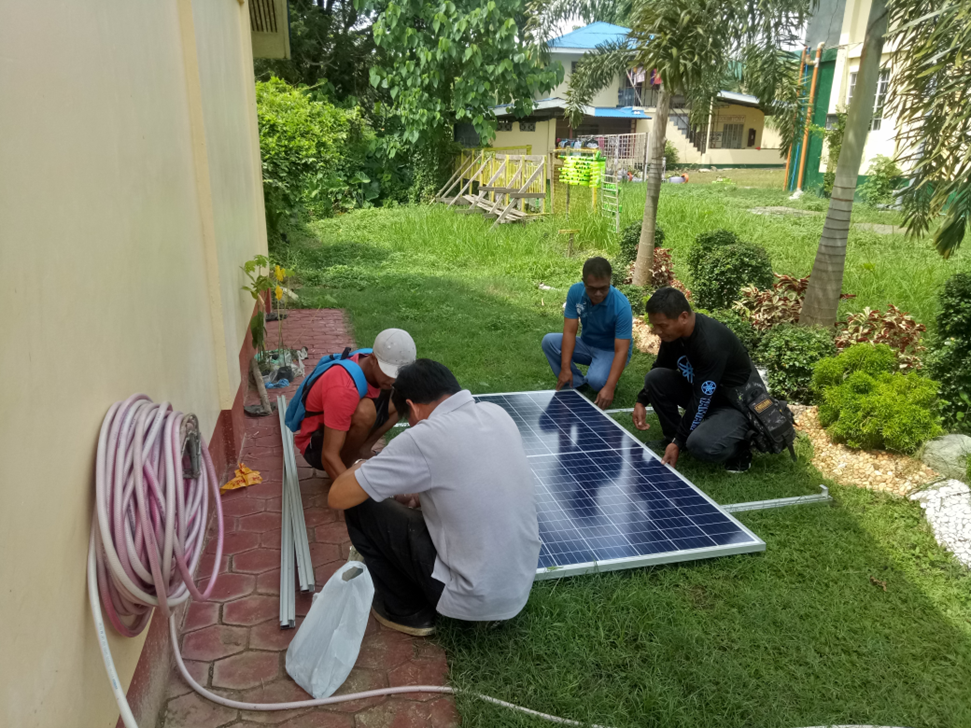
The installation process was a carefully planned and executed endeavor. It commenced with a thorough assessment of the school’s water consumption requirements, as well as the determination of the most suitable location for the solar panels. Our team of experts, including engineers and renewable energy specialists, collaborated to ensure a seamless procurement and installation. The school’s roof was identified as the prime location for the solar panels, allowing for maximum exposure to sunlight. This decision was driven by the fact that our region receives abundant sunshine throughout the year, making solar energy an ideal choice for powering the water pump system.
The heart of the system is a high-efficiency polycrystalline solar panel array, consisting of photovoltaic modules that convert sunlight into electrical energy. These panels were strategically installed on the school’s rooftop, meticulously angled to capture the most sunlight possible, thus optimizing energy production.
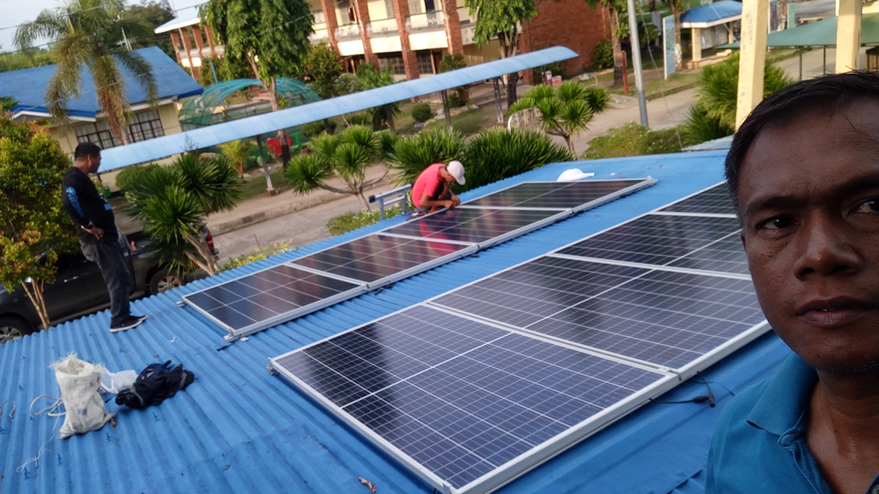
The solar-powered water pump itself, an energy-efficient submersible pump, was installed within the campus’s existing well, harnessing the power of the sun to draw water efficiently from underground sources. The pump was selected for its ability to supply a significant volume of water while keeping energy consumption at a minimum. This eco-friendly solution not only enhances our self-sufficiency but also considerably reduces our reliance on fossil fuels and grid-based electricity, thus diminishing our carbon footprint.
The entire system was connected to smart monitoring through Bluetooth technology allowing for real-time data collection. It also facilitates regular maintenance checks and timely response to any technical issues, guaranteeing the long-term viability of the system.
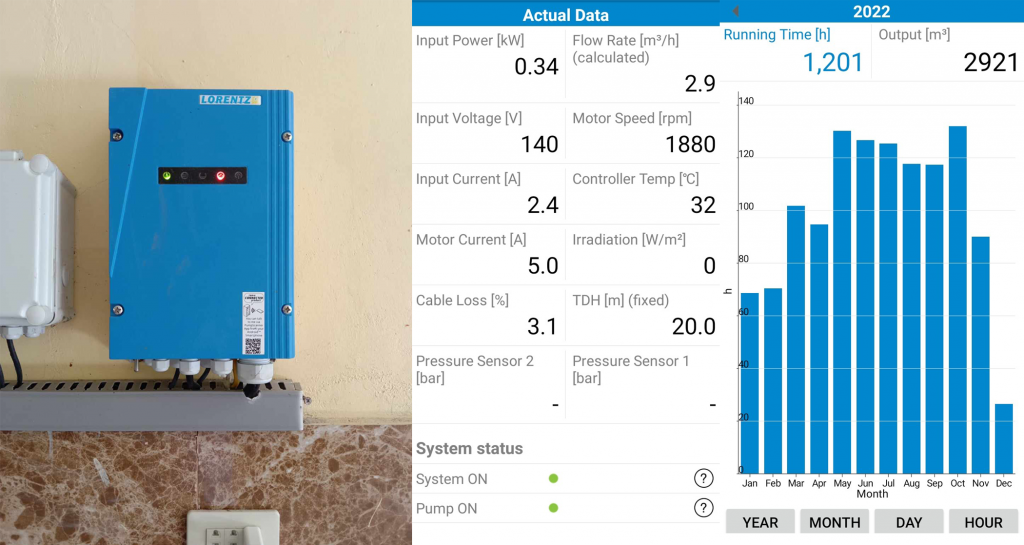
The benefits of this solar-powered water pump system have been abundant and immediate. Not only has it granted our campus a clean, and renewable source of water, but it has also reduced our energy expenses, ultimately saving financial resources that can be redirected towards educational enhancements. Furthermore, the decreased reliance on conventional power sources has resulted in a significant reduction in greenhouse gas emissions, contributing to the global effort to combat climate change.
By harnessing the abundant solar energy in our region, we are not only meeting our water needs sustainably but also contributing to the broader goal of expanding access to clean and affordable energy. The use of solar power to pump water exemplifies our commitment to clean and affordable energy solutions, aligning with the aspirations of SDG 7 – Affordable and Clean Energy.
The installation of this solar-powered water system is a testament to our dedication to advancing technology and infrastructure for the betterment of our community and the environment, showing the ISU-AC’s active engagement in building resilient infrastructure, promoting sustainable industrialization, and fostering innovation, the very heart and soul of SDG 9 – Industry, Innovation, and Infrastructure.
Furthermore, our campus’ decision to take a step towards reducing our carbon footprint and mitigating the effects of climate change by slowly transitioning to solar power is a clear demonstration of our commitment to SDG 13 – Climate Action.
This project is yet another innovation that serves as a testament to ISU-AC’s commitment to excellence and change. It vividly illustrates the transformative potential of sustainable solutions, powered by the unyielding determination and perseverance that fuel and drive our institution towards a more sustainable future.